(1808 posts)
Jul 3, 2016 1:08 pm
Fire!
I love fire. It's that simple.If I'm going backpacking, I usually have three different ways to make fire. And usually at least two knives. And probably a day's more food than I'll need. But I digress.
The most recent addition to my bag of goodies is two-fold. The first involves what's known as char cloth. Take any 100% cotton material, cut it to fit inside an Altoids tin, fill the tin up without compressing the cloth, cook it on the fire (campfire, grill, gas stove, etc.) until it stops smoking. Move the container using tongs, let it cool. You'll end up with shrunken pieces of black cloth. The beauty is that these little cloth squares, while a little fragile, will catch a spark, and will hold it. Ferro rods are a cinch with char cloth. But, this stuff makes it a breeze to use a magnifying glass to achieve combustion -- like a fresnel lens, or even the map magnifier on a compass.
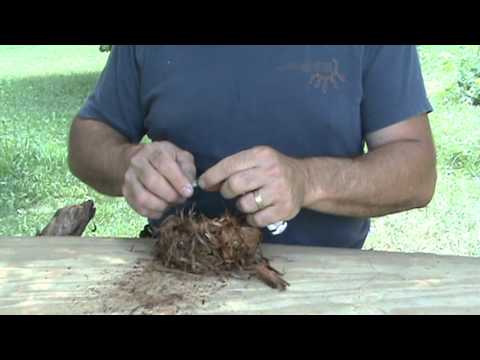
The next gizmo is a fire piston. I ordered mine from Wilderness Solutions, as they scored consistent reviews pretty much everywhere I read. The idea is the same as a diesel engine: as a given volume of air is compressed, at speed, temperature goes up. It goes up enough to achieve combustion. Or to set our little fragment of char cloth aglow. Carefully transfer to a tinder bundle, and start blowing.
In experimenting with this method of making fire, I learned a LOT about my fire building skills. While I'm pretty good if I have a match, lighter, vaseline laden cotton ball with ferro rod.... creating fire from an ember is a much more difficult game. It requires a lot better preparation of the material. Tinder must be dry-dry-dry, and the finer the better. I understand why Cody Ludin takes a long time to prepare his tinder on Dual Survival in seasons 1 & 2. Jute twine is cheap, and a 4 inch piece of it will make an incredible little bundle of fine material to blow into fire.